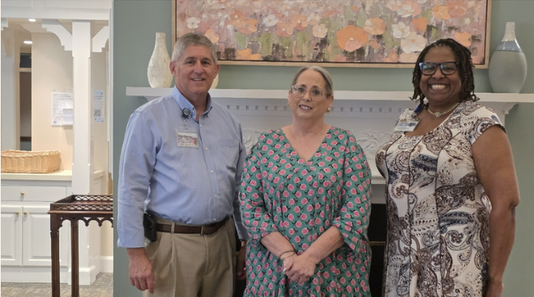
A move can change your address in a day, but feeling at home often depends on the people around you. That’s why building relationships in retirement matters so much. The right social circle can bring comfort, confidence, and a renewed sense of belonging during a major life transition.
For many older adults, independent living for seniors offers more than a maintenance-free lifestyle. It creates a strong foundation for connection. Shared meals, community events, wellness programs, and everyday conversations can turn familiar faces into trusted friends. Over time, those connections can shape daily routines, support emotional well-being, and make it easier to stay active and engaged.
Friendship also has practical value. A welcoming social network can help you learn the rhythm of a new community, discover activities you enjoy, and feel more settled in your surroundings. Just as important, meaningful relationships can make each day feel fuller, warmer, and more connected.
After a move, friendship isn’t just a nice extra that comes with the territory. It’s an essential part of building a life that fuels independence and feels deeply rewarding.
Why Friendships Matter More After a Move
Social connection becomes more essential during major life transitions. It’s common to seek a support system, whether through close friends or family members. However, when acclimating to a new environment, there’s a greater, more immediate need to adjust socially. This is achieved through forming new bonds with neighbors and on-site team members.
According to a national poll conducted by the Institute for Healthcare Policy & Innovation at the University of Michigan, 42% of people aged 50 and older thought it was harder to make friends now compared to when they were younger. That’s a vast margin! Thankfully, senior living communities offer an easier path to forming friendships than living alone.
While exploring independent living for seniors, new friendships help replace isolation with structure, comfort, and familiarity. Eating dinner in a shared dining room, for example, is so much easier when you have friends to share a laugh with. As a move into an unfamiliar environment changes your routine and long-standing social habits, a support network can ease feelings of stress, anxiety, or isolation.
The Tangible Impact of Staying Connected
A nationally representative study found that one in four older adults was socially isolated. With such a large proportion of aging individuals experiencing the effects of a lack of social support, this underscores the importance of vibrant friendships in senior living.
Building relationships in retirement not only makes you feel good. There are real, dangerous health effects associated with feeling lonely or isolated. The National Institute on Aging says, “Adults who are lonely or socially isolated tend to be less healthy, have longer hospital stays, are readmitted to the hospital more often, and are more likely to die earlier than those with meaningful and supportive social connections.”
Inversely, making friends and keeping them close can support:
- Emotional resilience
- A sense of belonging
- Motivation to stay active
- Greater confidence in a new setting
With a tight-knit circle of friends, your new home will truly start to feel like exactly that—a home. Friendships can support healthier routines by encouraging movement, participation, and regular social contact. Plus, you’ll stay cognitively engaged by having regular, active conversations with others.
How Independent Living for Seniors Builds Connection
Most older adults will be delighted to find they have a “leg up” in making friends compared to those living by themselves. Community design and constant shared experiences in senior living naturally form a pathway to genuine friendships. Many barriers that can make social life harder at home simply don’t exist in senior living.
Proximity matters. From the moment you wake up in the morning, you may greet a neighbor down the hall or during breakfast in the dining room. You will likely see friendly faces while traveling throughout the campus, passing kindhearted caregivers and fellow residents. When people live near one another, repeated interaction builds familiarity and trust.
Shared spaces also create genuine opportunities for conversation:
- Dining venues
- Fitness classes
- Resident events
- Clubs, forums, and lectures
- Outdoor gathering areas
Community event calendars, usually facilitated by an Engagement Team, are another easy way to socialize with others. They provide structure for staying engaged without any planning on your part as a resident! Attending recurring events instead of one-time programs whenever possible is also a simple way to see the same faces regularly, increasing the odds of becoming fast friends.
There Are Friends in Your Future
Building relationships in retirement can shape far more than your social calendar. It can strengthen your sense of belonging, support your well-being, and help a new environment feel familiar, comfortable, and truly your own.
That’s one reason independent living for seniors offers such lasting value. It creates daily opportunities for connection through shared experiences, welcoming spaces, and the simple comfort of seeing familiar faces.
You don’t need to build a full circle of friends all at once. Often, meaningful connection starts with one conversation, one shared meal, or one invitation to join an activity. Small steps can lead to real friendships over time.
Here at Rappahannock Westminster-Canterbury (RWC), we make forming tight bonds a breeze. From the unique closeness our caregivers and residents share in our continuing care community, to the robust social calendar that constantly brings us together, there’s no shortage of togetherness.
Contact us today to schedule a visit for you and your family. We’d love to show you the close-knit, local community in Virginia’s Northern Neck, and how that same rapport is reflected at RWC. We hope to see you soon!
Key takeaways:
- After a move, even a few familiar faces can make your new community feel more comfortable, welcoming, and connected.
- Regular conversation, shared meals, and group activities can lift your mood, strengthen your sense of purpose, and help you stay engaged in daily life.
- From dining rooms and wellness classes to clubs and community events, everyday spaces offer you simple, low-pressure opportunities to meet people who share your interests.
- Try saying yes to a lunch invitation, joining one recurring activity, or introducing yourself to a neighbor. Consistency matters more than doing everything at once.
- When you know people around you, it’s easier to stay active, informed, and confident as you settle into this next chapter.