
 What does a truly supportive, stylish, and life-enhancing home look like for older adults? Today’s senior independent living facilities are redefining that answer with every blueprint. Gone are the days of the senior home with sterile hallways and cookie-cutter apartments. In their place, designers are embracing comfort, connection, and choice; they’re crafting spaces that feel like home while promoting health, safety, mobility, and independence. The future of senior living interior design is personal, purposeful, and profoundly uplifting.
Here’s a look at the top home design trends shaping this evolution and what they mean for the independent living communities of tomorrow.
Designing for Holistic Well‑Being
A top priority in modern senior living is wellness-minded design that brings together safety, social connection, and mental health. Communities in 2025 and beyond are embracing flexible, multipurpose spaces — from communal lounges to adaptable activity areas — to support an active lifestyle, social interaction, hobbies, and wellness classes. Design is shifting where hospitality, health care, and residential aesthetics meet, blending warmth and memorability with accessibility.
Some future-facing components of communal spaces can include:
- Smart flooring with sensors that detect falls and monitor gait changes, enhancing safety and enabling early medical interventions. Although not every community has these, most offer equally effective safety features, such as wide hallways, non-slip flooring, no-step thresholds, and on-site medical staff available 24/7 if needed.
- Wayfinding carpet patterns and color-coded zones. Common in hospitality design, they help residents orient themselves with confidence.
Biophilic Design and Outdoor Living
Connecting residents to nature can significantly boost mood, cognitive health, and physical health. There’s a renewed focus on biophilic principles, or incorporating natural elements such as courtyards and gardens throughout communities. Thoughtful landscape strategies that invite restorative experiences — such as walking paths, sensory gardens, and shaded seating areas — are recommended.
 Sustainability and Lifecycle Awareness
Environmental considerations are gaining traction, not only as ethical concerns but also for their impact on long‑term cost and resident wellness.
- Luxury communities are using more reclaimed materials, energy‑efficient systems, and eco-friendly furnishings.
- Communities are embracing a holistic view of sustainability, measuring lifecycle costs, embodied carbon, and long‑term value across projects.
These strategies create healthier indoor environments and demonstrate fiscal responsibility, an increasingly compelling combination for nonprofit senior living communities and mission-driven developers.
Hospitality‑Inspired Aesthetics
Today’s senior environments borrow heavily from boutique hotels to provide a heightened sense of warmth and dignity. Mannington describes how luxury-grade carpeting, plush textures, and hotel-style finishes define communal spaces while still meeting safety standards. These elements foster emotional well‑being and create environments where residents feel cared for, not institutionalized.
Personalization and Lifestyle Flexibility
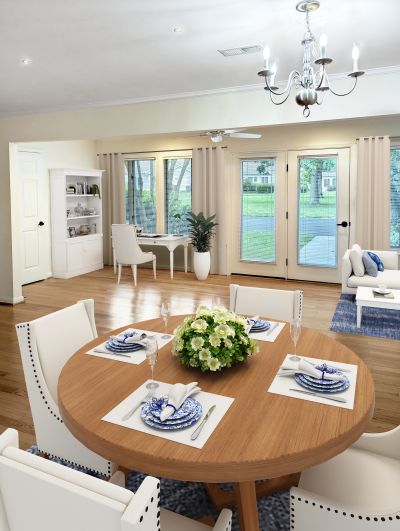
As operators strive to serve a broader demographic, including the “young‑old,” personalization is key. Many homes have been updated with contemporary colors and finishes. There are also now more customizable options for home decor styles, from paint choice to unit layout, which foster belonging and satisfaction among residents. Community preferences evolve with each generation, especially as Baby Boomers and Gen Xers bring fresh expectations for choice and individuality.
In addition, many communities offer different different living options, from apartments to cottages to stand alone homes. This means that if you plan ahead and early, you can choose the type of home that most resonates with you. And if you’re concerned about whether life in any senior community can really feel like home, the answer is a resounding yes! In addition to choosing paint colors and your ideal home type, you can bring your own furniture, wall art, plants, pets, and anything else you need to make the place truly your own.
To get the most out of these customizations, it’s best to move into a senior community while you’re still living independently and can enjoy all your choices longer.
Adaptive Reuse and Phased Renovations
With new construction unfolding at a slow pace, existing retirement communities are turning to thoughtful renovation strategies. There’s a growing market shift toward phased retrofits, or modernizing spaces incrementally, to stay relevant and economically viable. This approach sustains operations during upgrades and minimizes disruption, making it ideal for nonprofits or budget-conscious operators.
Senior living design has shifted dramatically from functional, uniform spaces to dynamic, human-centered environments that prioritize wellness, sustainability, connection, and dignity. This creates communities that are not only safe and accessible but also inspiring and deeply supportive of life’s later chapters. That synergy can turn aging into a stage of growth, belonging, and purpose — where environments themselves become agents of well-being.
Enjoy Your Golden Years in Style With RWC
Rappahannock Westminster-Canterbury (RWC) is a continuing care community providing the highest-quality living experience for discerning senior adults. Situated on 165 beautiful acres outside the village of Irvington in Virginia’s Northern Neck, RWC attracts residents with its independent and worry-free lifestyle in a tranquil setting, as well as a wide variety of wellness resources.
At RWC, your independent living unit will be totally renovated and updated before you move in.
Our Westlake Apartments on Wood Duck Lake offer ample living space and the opportunity to enjoy neighbors just a few steps down the hall. Each one- or two-bedroom apartment has a full kitchen and can be decorated to suit individual taste.
Our one- or two-bedroom Canterbury Cottages feel like individual homes and have patios and ample space outside for small gardens. They can be decorated and furnished to suit individual taste.
A Woods Edge home offers you the feel of neighborhood living with the peace of mind of knowing your home will be maintained by professionals who handle every job, inside and out. You can furnish and decorate your residence as you wish.
Contact us today for lunch and a tour of our beautiful campus. Alternatively, request a brochure to learn more about helping your loved one live their best life at RWC!